Books I like.
A running shelf of books that stuck with me.
The must reads
-
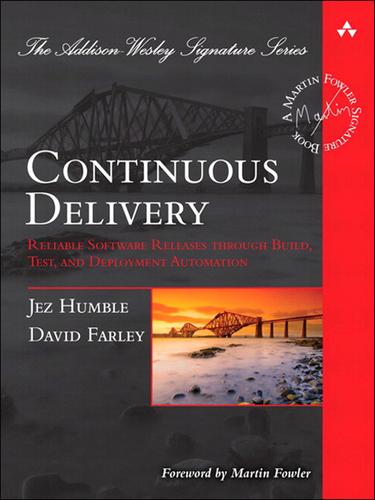
Continuous Delivery
by Humble and Farley.
-
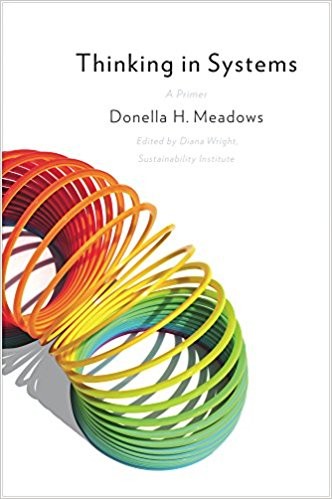
Thinking in Systems: A Primer
by Donella Meadows. One of the most effective tools for reasoning through complex problems. This book is a readable, powerful introduction among many on the topic.
-
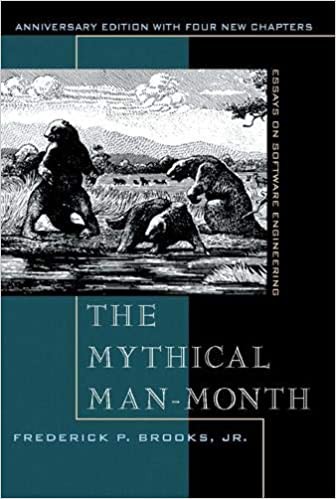
The Mythical Man-Month
by Frederick Brooks. The seminal book on software engineering, must read for anyone.
-
An Elegant Puzzle: Systems of Engineering Management
by Will Larson. The best book for engineers making the transition from technical lead to engineering manager.

Getting Started in Engineering
-
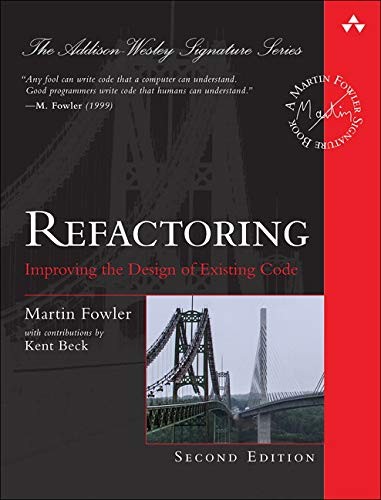
Refactoring: Improving the Design of Existing Code
by Martin Fowler
-
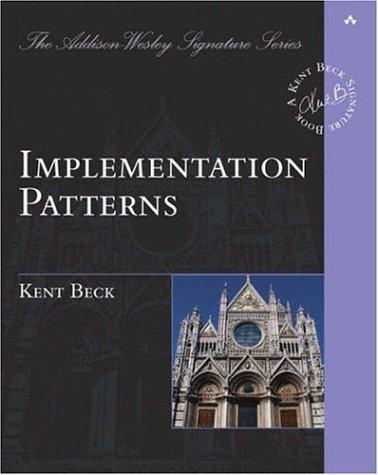
Implementation Patterns
by Kent Beck
-
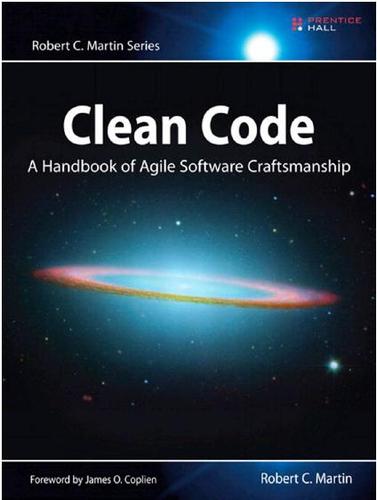
Clean Code: A Handbook of Agile Software Craftsmanship
by Robert Martin, a.k.a uncle Bob.
-
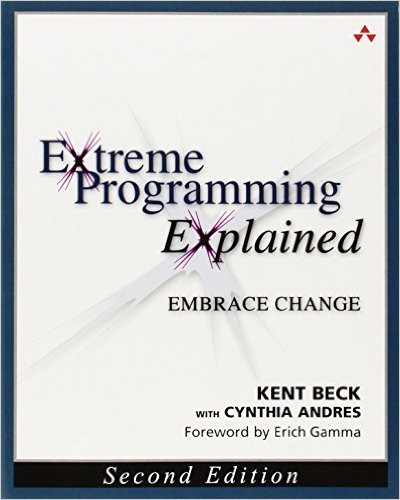
Extreme Programming Explained: Embrace Change
by Kent Beck
-
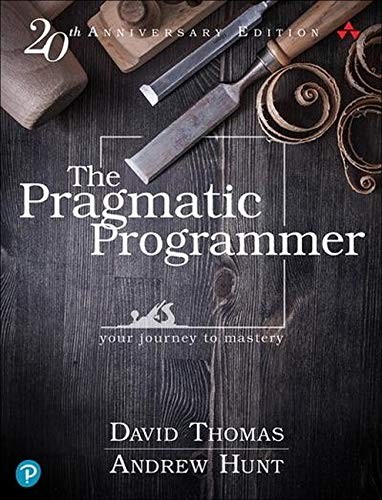
The Pragmatic Programmer: Your journey to mastery
by Thomas and Hunt.
Senior Engineering and Architcture Skills
-
Patterns of Enterprise Application Architecture
by Martin Fowler
-
Enterprise Integration Patterns
by Hohpe and Woolf
-
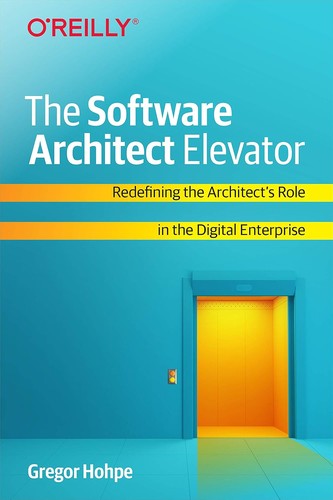
The Software Architect Elevator: Redefining the Architect's Role in the Digital Enterprise
by Gregor Hohpe. If you want to be architect, this book defines how to be an true value adding architect in the modern organisation
-
Agile Data Warehouse Design: Collaborative Dimensional Modeling, from Whiteboard to Star Schema
by Lawrence Corr and Jim Stagnitto. This book is the missing manual that helps regular engineers get an insight into the world of warehouse design. The BEAM* model and the ideas behind star and snowflake schema's are so often missed entirely.
-
Talking with Tech Leads: From Novices to Practitioners
by Pat Kua. Quick read, a book focussed on interviewing people who have made the journey from entry engineer to Tech Lead.
-
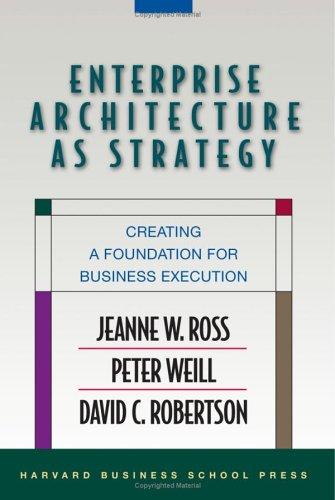
Enterprise Architecture As Strategy: Creating a Foundation for Business Execution
by Jeanne W. Ross, Peter Weill, David Robertson
Engineering Management
-
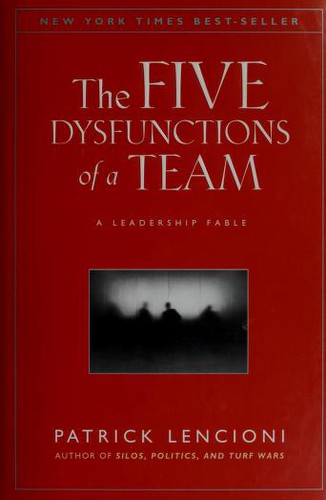
The Five Dysfunctions of a Team
by Patrick Lencioni.
-
The Three Signs of a Miserable Job
by Patrick Lencioni. Another Lencioni book, this one explaining a three-point model for what makes jobs rewarding.
-
Finite and Infinite Games
by James Carse. Success in most life situations is about letting everyone continue to play, not about zero-sum outcomes.
-
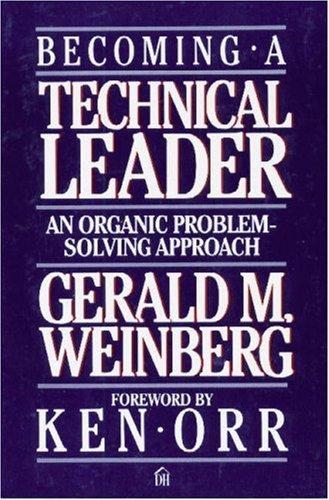
Becoming a Technical Leader: An Organic Problem-Solving Approach
by Gerald Weinberg. Permission to be a leader that builds on your strengths, not whatever model that folks think you should fit into.
-
The Manager's Path: A Guide for Tech Leaders Navigating Growth and Change
by Camille Fournier.
-
High Output Management
by Andy Grove.
-
The First 90 Days
by Michael Watkins. No matter the role, this books has advice on being successful in a new job. The more senior your new role, the better the returns from this book.


DevOps & SRE
-
The Phoenix Project
by Kim, Behr and Spafford.
-
Accelerate: Building and Scaling High Performing Technology Organizations
by Forsgren, Humble and Kim.
-
Drift into Failure
by Sydney Dekker. This is the book that inspired Adrian Cockroft to tackle system stability through Chaos Engineering approaches at Netflix.
-
The DevOps Handbook
by Gene Kim, Jez Humble, Patrick Debois, John Willis, and Nicole Forsgren.
-
The Google SRE Book
free online eBook that describes SRE by the people who effectively created it
Engineering Productivity
-
Death by Meeting
by Patrick Lencioni.
-
The Deadline: A Novel About Project Management
by Tom DeMarco.
-
Adrenaline Junkies and Template Zombies: Understanding Patterns of Project Behavior
by DeMarco, Hruschka, Lister, McMenamin, Robertson and Robertson.
Leadership
-
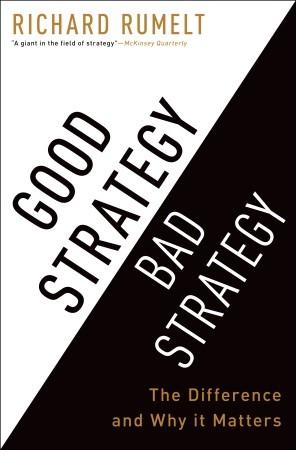
Good Strategy Bad Strategy: The Difference and Why it Matters
by Richard Rumelt. This book gives the reader insight into well written stratgey and importantly those are not, and a structured approach to writing good strategies.
-
Connected Company
by Dave Gray and Thomas Vander Wal. The book that explains companies and organisation as biological creatures that respond. Great insight to navigate the nature of a human centric organisation.
-
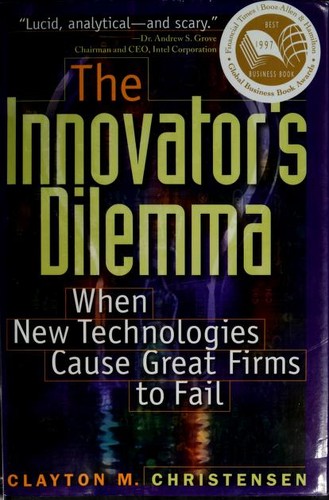
The Innovator's Dilemma: When New Technologies Cause Great Firms to Fail
by Clayton Christensen. A look at how being hyper-rational in the short-run has lead many great companies to failure. Highly useful to think about when doing strategic planning.
-
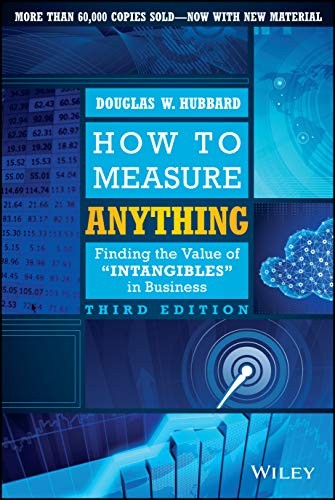
How to Measure Anything: Finding the Value of Intangibles in Business
by Douglas W. Hubbard. Slightly complex read, but give you the tools to measure and make a business or evaluate a concept or idea.
-
Agile IT Organization Design: For Digital Transformation and Continuous Delivery
by Sriram Narayan. This is a brilliant book dealing the with different types of teams and project structures you encounter in most traditional organisations. Provides the rationale to understand the drivers that create those strcutures, the mechanism to change them, and the language to explain.
-
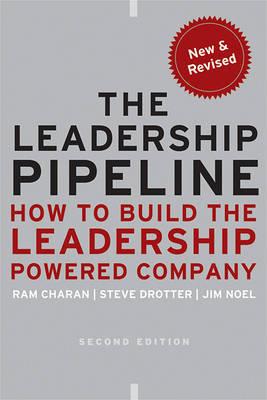
The Leadership Pipeline: How to Build the Leadership Powered Company
by Charan, Drotter and Noel. This book explains how thoughtful many good companies are in intentionally growing new leadership.
-
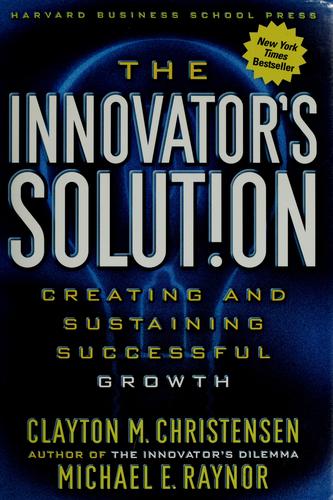
The Innovator's Solution: Creating and Sustaining Successful Growth
by Christensen and Raynor.
-
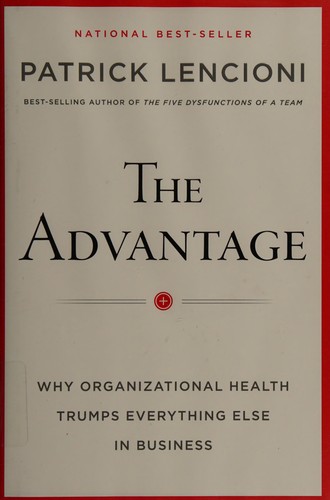
The Advantage: Why Organizational Health Trumps Everything Else in Business
by Patrick Lencioni.
Consulting and Soft Skills
-
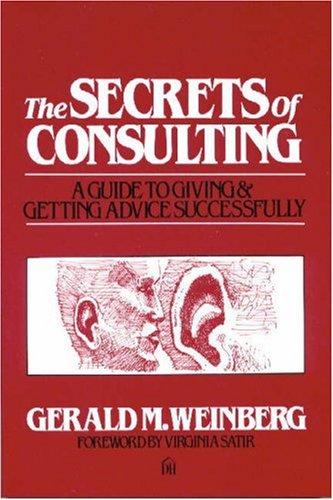
The Secrets of Consulting: A Guide to Giving and Getting Advice Successfully
by Gerald Weinberg.
-
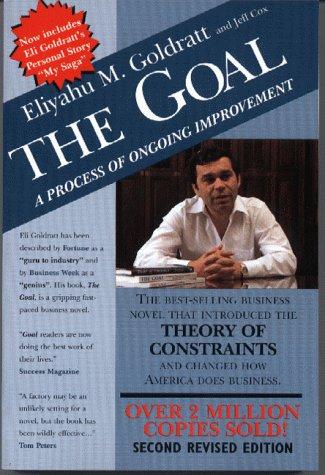
The Goal: A Process of Ongoing Improvement
by Eliyahu Goldratt. Explores how constraint-theory can be used to optimize process and the founding book behind Theory of Constraints (ToC). Its written in the style of a novel. Not a great novel, but great insight into ToC.
-
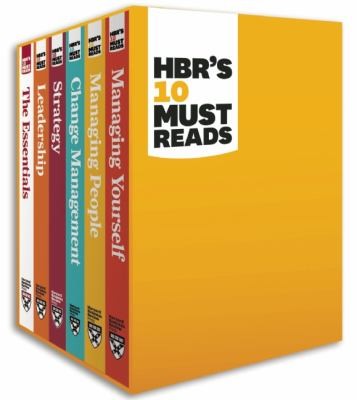
HBR's 10 Must Reads Boxed Set (6 Books)
A collection of essays with enduring and practical ideas from some of the best minds in the world on strategy, change leadership, managing people, and managing yourself. Selected from publications in the Harvard Business review.
-
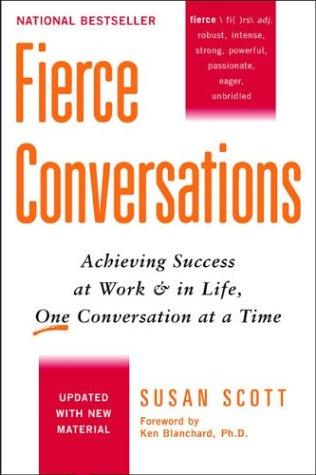
Fierce Conversations: Achieving Success at Work and in Life One Conversation at a Time
by Susan Scott. How to say what you need to say, particularly powerful in giving structure to get past conflict aversion. If this sort of tooling is what you've been missing, also consider reading Crucial Conversations: Tools for Talking When Stakes are High and Crucial Accountability: Tools for Resolving Violated Expectations, Broken Commitments, and Bad Behavior
Product, Usability & Design
-
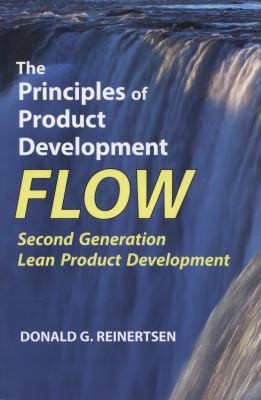
The Principles of Product Development Flow: Second Generation Lean Product Development
by Donald G. Reinertsen. The seminal work on Product development practices and a great insight into Queuing theory applied.
-
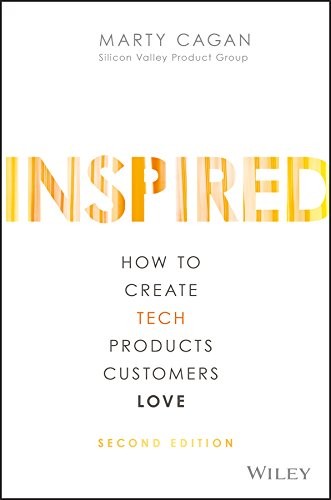
INSPIRED: How to Create Tech Products Customers Love
by Marty Cagan. A thoughtful approach to product management.
-
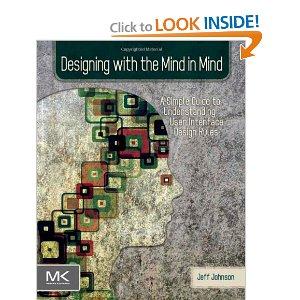
Designing with the Mind in Mind
by Jeff Johnson. An introduction to usability and design, grounding both in how the brain works.
-
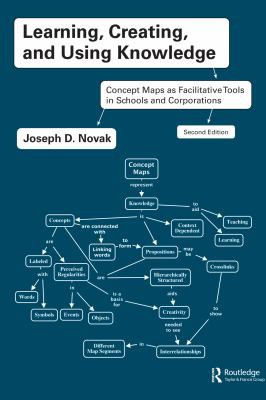
Learning, Creating, and Using Knowledge: Concept Maps as Facilitative Tools in Schools and Corporations
by Joseph D. Novak. A crazy ueful book introducing a powerful tool called "Concept maps" that helps create effective learners. Super useful in all kinds of situations from understanding customers, market fit to software engineering exploration sessions etc.
-
Business Rule Concepts
by Ronald Ross. The book I wish every business analyst would read. Introduces the concepts of two classes of business rules and how to analyse and manage them.
Misc
-
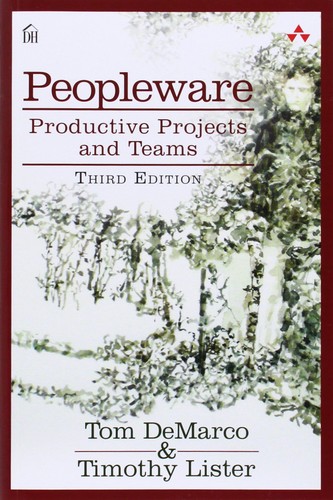
Peopleware: Productive Projects and Teams
by DeMarco and Lister. The book that has given generations of developers permissions to speak on the challenges of space planning and open offices. Particularly powerful in grounding the discussion in data.
-
Don't Think of An Elephant! Know Your Values and Frame the Debate
by George Lakoff. Written from a political perspective that some might find challenging, this book completely changes how to think about presenting ideas.
-
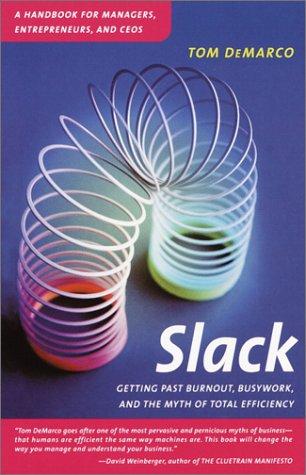
Slack: Getting Past Burnout, Busywork, and the Myth of Total Efficiency
by Tom DeMarco. Documents a compelling case for middle managers as the critical layer where organizational memory rests and learning occurs. A meditation on the gap between efficiency and effectiveness.
-
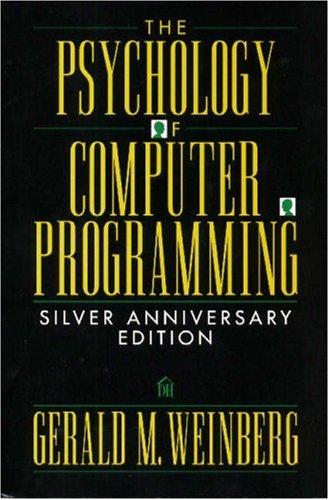
The Psychology Of Computer Programming
by Gerald Weinberg.
-
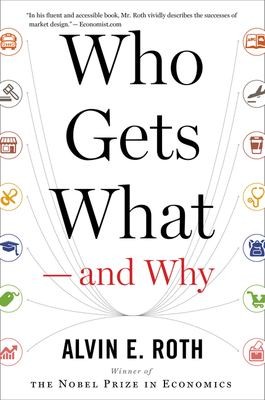
Who Gets What ― and Why: The New Economics of Matchmaking and Market Design
by Alvin E. Roth. Fascinating book from a Nobel prize winner in economics. Most of the study of economics deals with commodity markets, where the price of a good connects sellers and buyers. But what about other kinds of "goods" like those in matching markets, where "sellers" and "buyers" must choose each other, and price isn't the only factor determining who gets what. Great read.
-
The E-Myth Revisited: Why Most Small Businesses Don't Work and What to Do About It
by Michael Gerber. The idea that leadership is usually working "on" the business, not "in" the business. Work in the business to learn how it works, but then document the system and hand it off.